Finish Choices That Resist Wear, Stains, And Maintenance Overhead
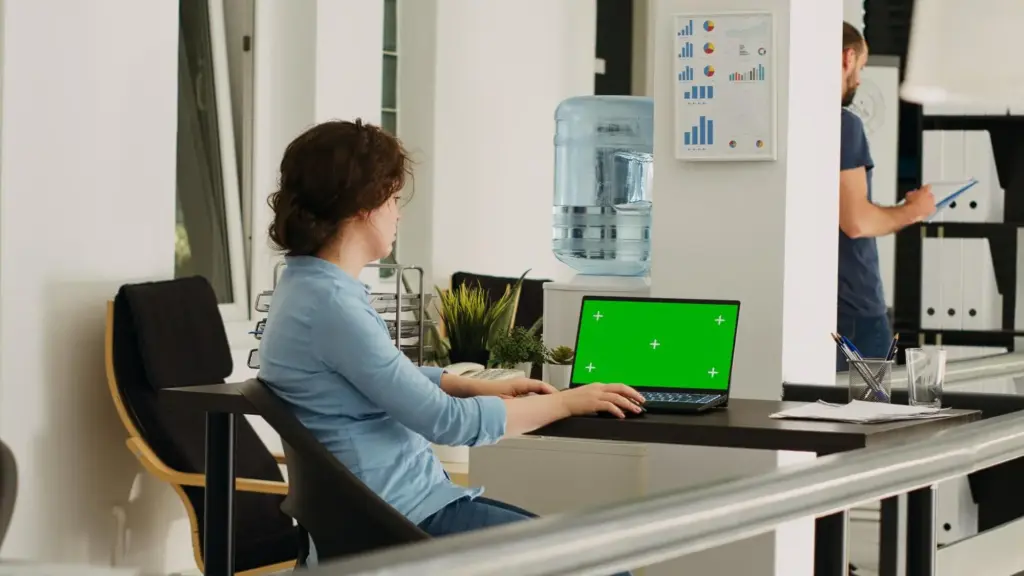
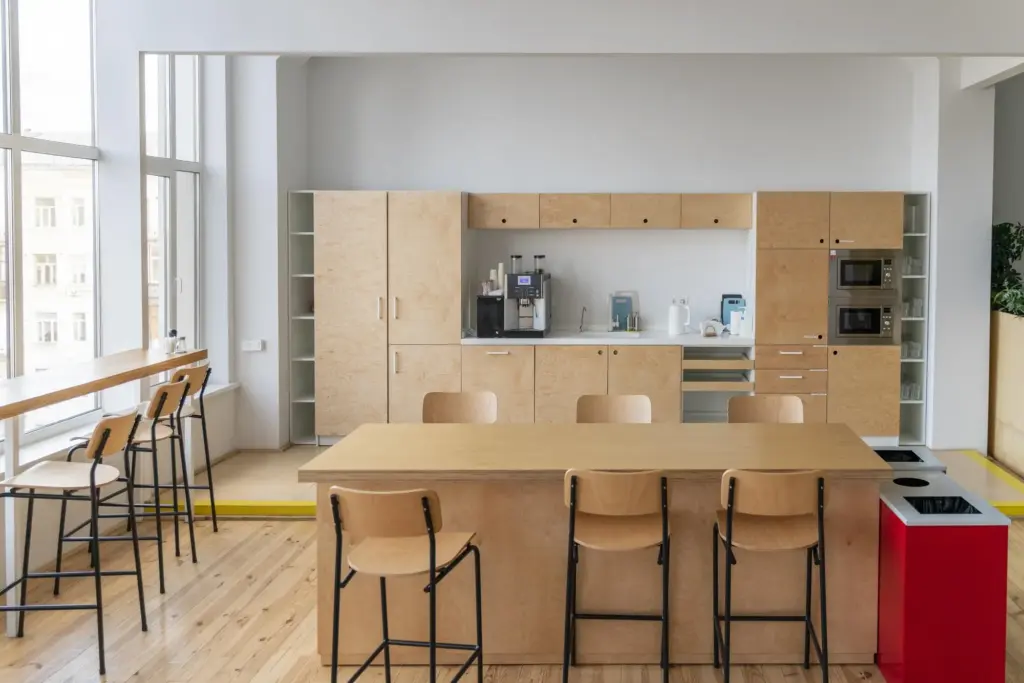
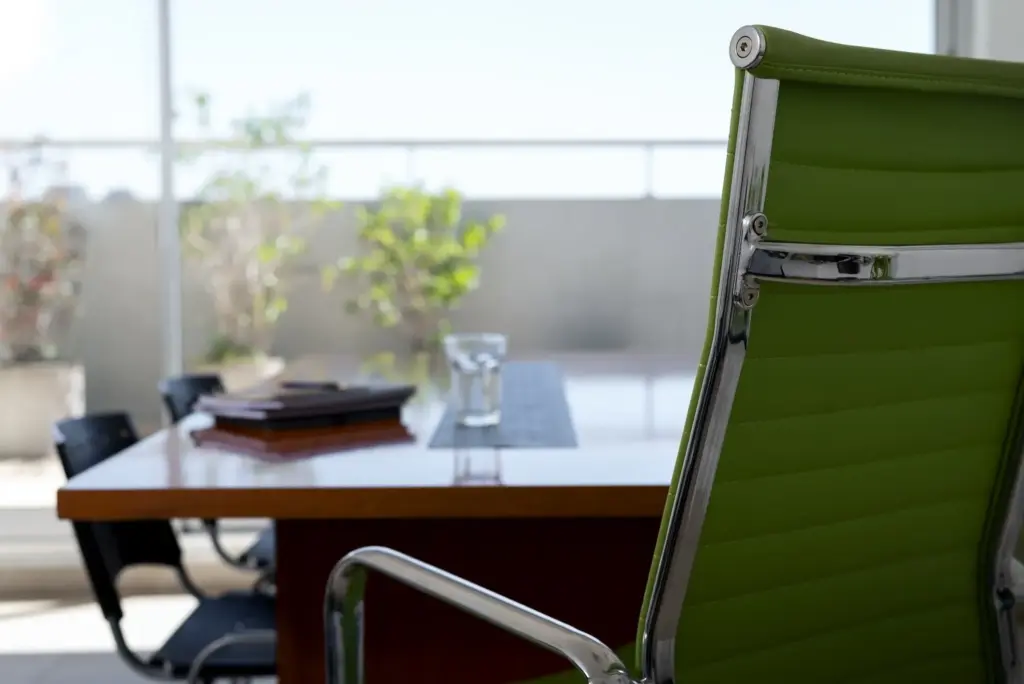
Specify high-abrasion flooring, stain-guarded textiles, and antimicrobial, bleach-tolerant surfaces in zones with heavy coffee traffic and rapid turnover. Rounded edges and concealed fasteners discourage dirt buildup, while colorfast materials survive daylight and aggressive cleaning cycles. In one pilot, swapping porous wall panels near printers eliminated recurring touch-up labor. Share what finishes survived your toughest weeks, and we will compile a living library of resilient specifications informed by real custodial feedback and measurable lifecycle performance.
Modularity, Standardization, And Swappable Components
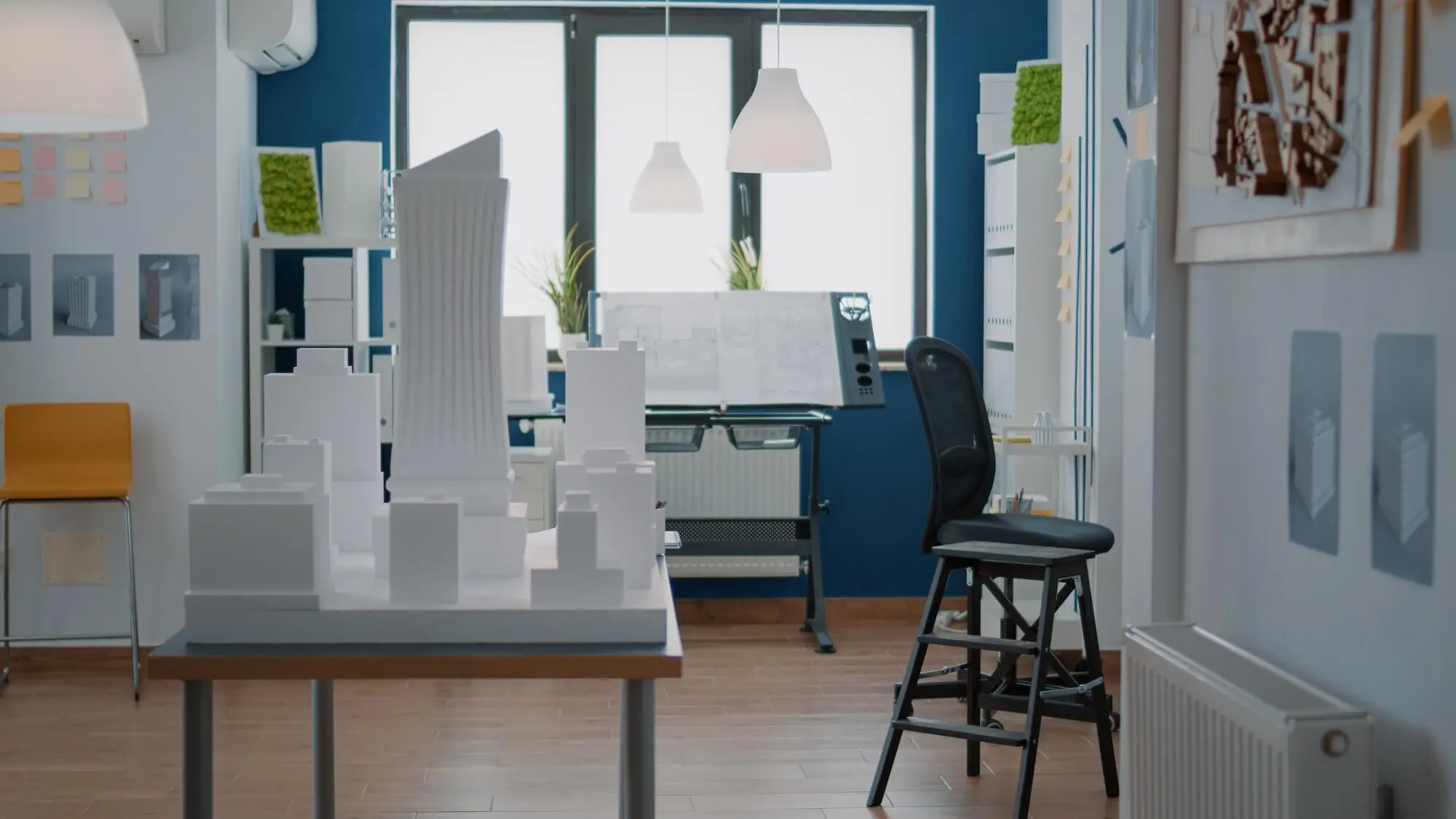
When panels, luminaires, and sensor mounts share standard sizes and quick-connect hardware, technicians replace parts in minutes instead of dismantling half a room. Modular power raceways simplify churn as teams grow, while labeled access points reduce guesswork. We profile a campus that standardized three luminaire types and cut inventory by forty percent. Tell us which modular kits saved your weekend, and we will map suppliers, part codes, and interoperability insights to help others replicate your results responsibly.

Cleaning Workflows Baked Into The Layout
Plan storage closets at logical waypoints, ensure outlets for auto-scrubbers, and design unobstructed turning radii so carts glide instead of scrape. Select chair glides compatible with hard floors to prevent micro-scratches that trap dirt. Provide sink access for mop buckets near high-spill zones like pantries. One facilities team added a narrow staging niche outside each conference cluster, cutting nightly travel distances dramatically. Share your layout hacks, and we will publish tested routes that accelerate resets without disrupting occupants.